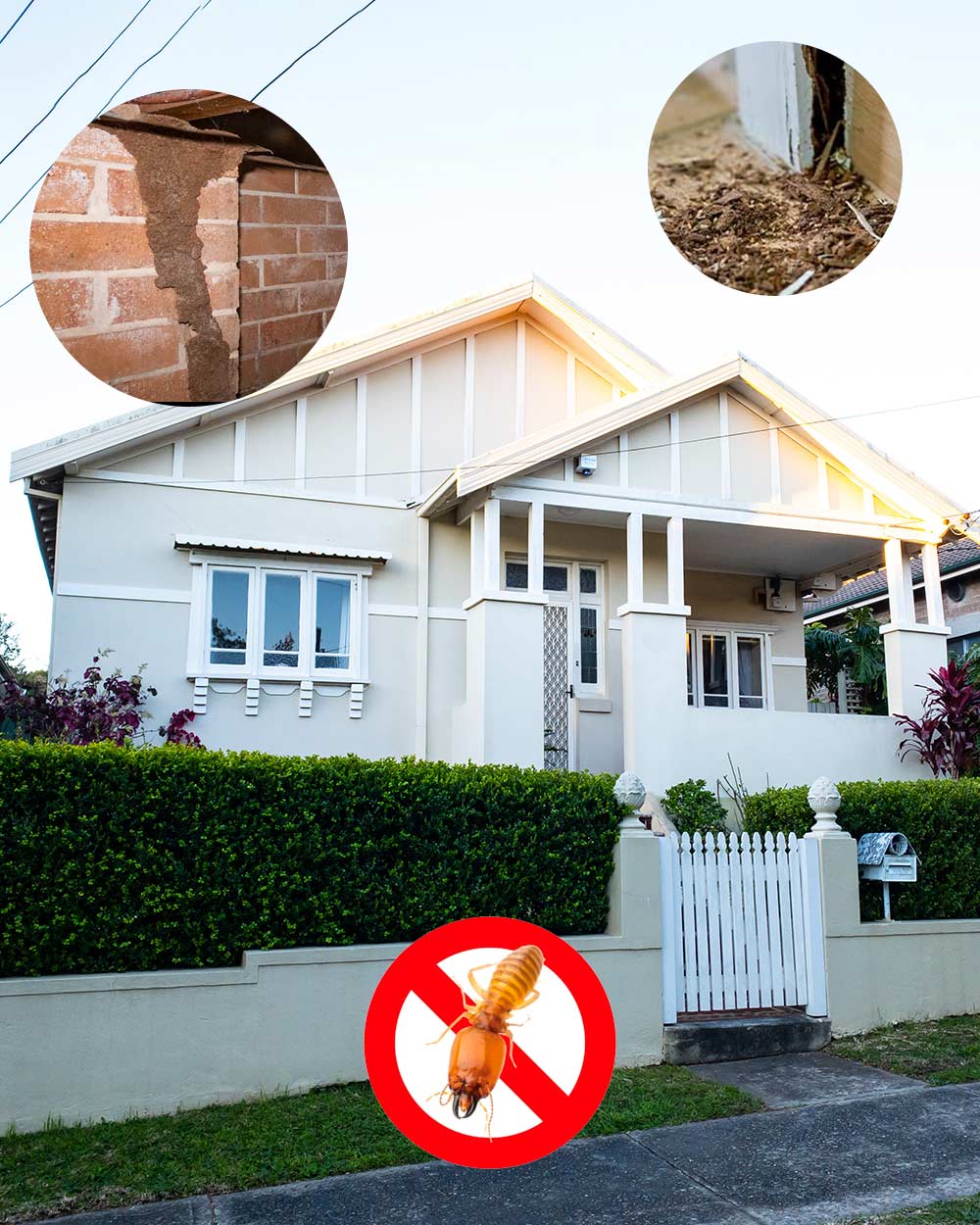
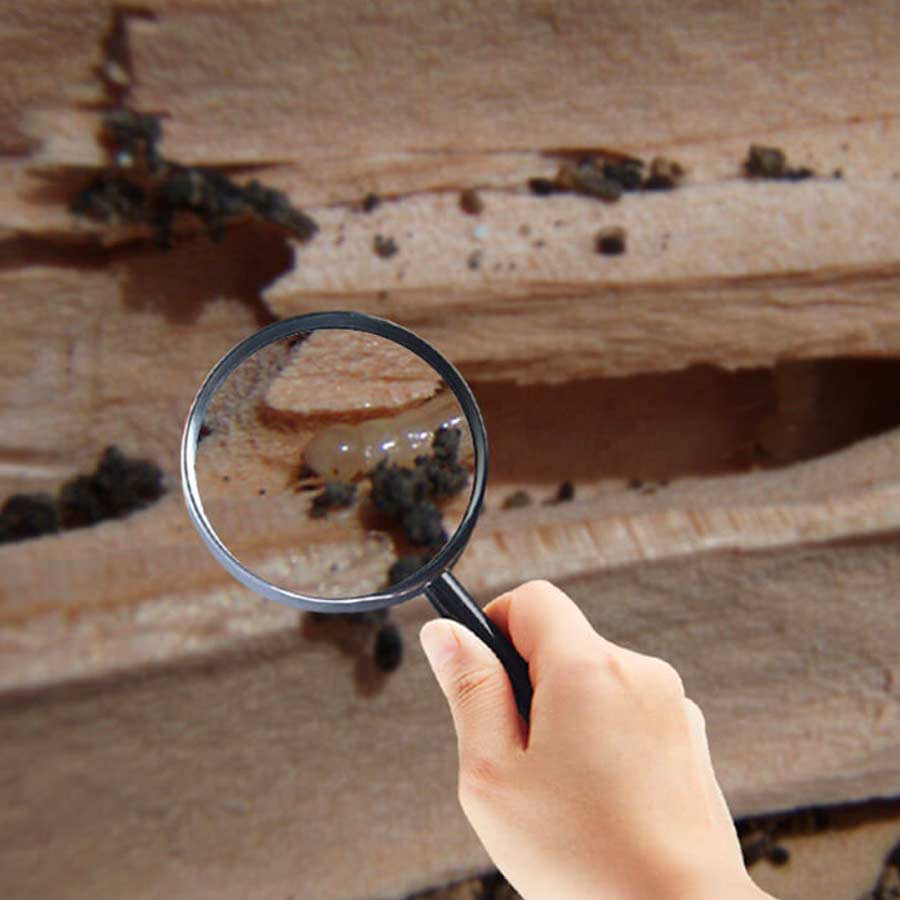
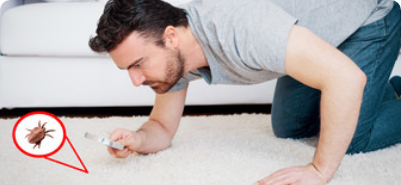
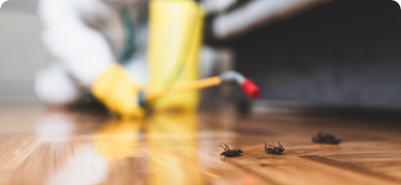
Inspections are crucial for wooden structures, as damage may be hidden for months before becoming evident.
Understanding Termites
Termites are highly organised social insects that thrive in colonies and consume cellulose materials such as wood and paper. These pests are notorious for their ability to remain undetected while causing extensive termite damage. A termite infestation can weaken wooden structures, compromise concrete slabs, and even affect wall cavities. Due to their destructive nature, early detection is crucial in preventing costly repairs.
Common Termite Species in Sydney
Australia is home to numerous termite species, with subterranean termites being the most destructive. Coptotermes, responsible for over 80% of termite infestations, thrive in high-moisture areas and construct hidden termite mud tunnels. Nasutitermes, while less aggressive, can still inflict damage on wooden structures. Drywood termites do not require soil contact and nest directly in timber, making them a significant threat to furniture and flooring. Identifying the exact termite species is key to selecting the right termite treatment methods.
Signs of Termite Presence
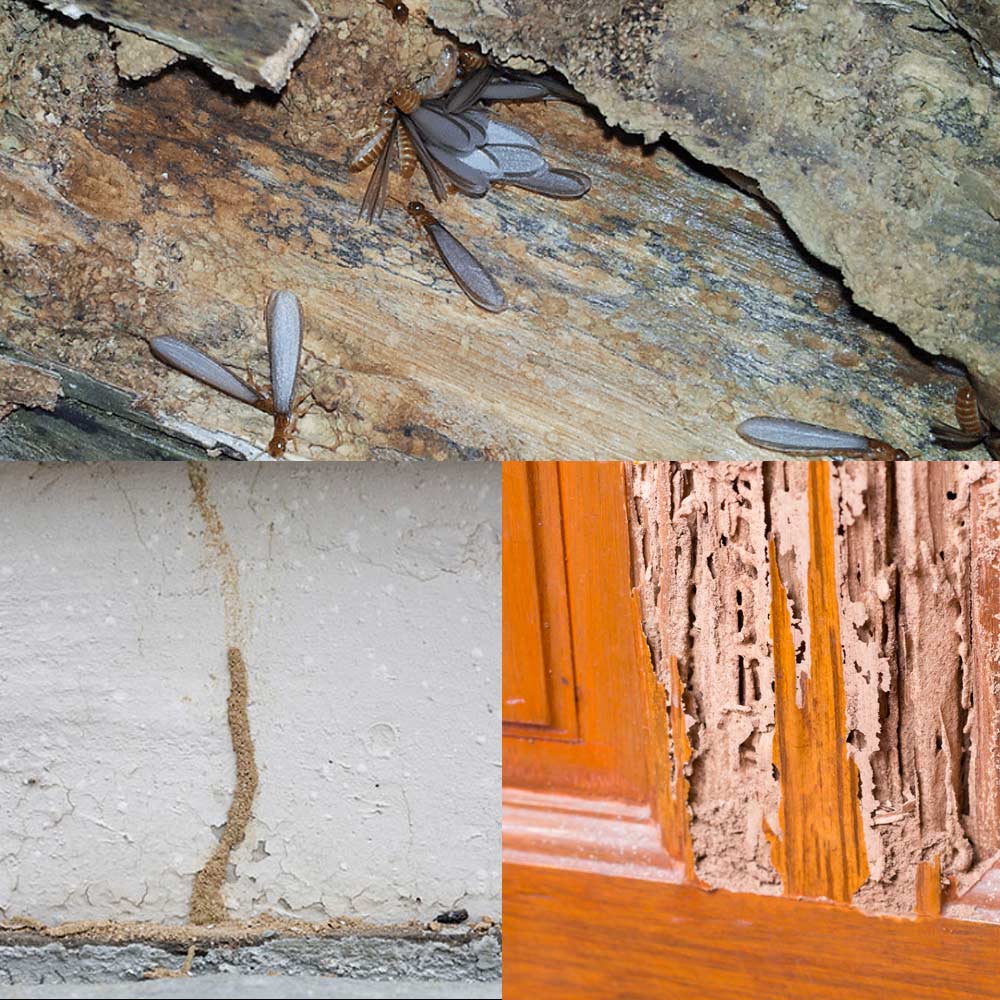
Detecting termites in your home often requires professional expertise. A common sign of infestation is a hollow-sounding wood, indicating internal damage. Mud tubes along walls or foundations suggest an active termite nest, while high humidity levels attract these pests. In some cases, worker termites create noise within walls, alerting homeowners to their presence. If you’ve found termites, scheduling a professional termite inspection ensures an accurate assessment and a tailored termite control process.
How Termites Enter Your Home
Understanding how active termites invade properties can help prevent them. These pests often access homes through soil, foundation cracks, leaking pipes, and even tree roots. Subterranean termites build mud tubes to travel from the central nest to their food source. Other termites, such as dry wood termites, can enter directly through exposed wood or infested furniture. To reduce the risk of a termite attack, homeowners should seal entry points and remove tree stumps.
Termite Life Cycle and Colony Behaviour
A single colony of termites can consist of up to a million termites, all playing specific roles. Worker termites gather food and build tunnels, soldiers defend the colony, and the queen termite lays thousands of eggs daily. Nesting habits vary; some termites form a central nest, while others spread across multiple locations. The ability of active termites to go undetected for long periods makes regular follow-up inspections essential for long-term termite management.
Advanced Detection Methods for Termite Control
At Andy’s Pest Control, we utilise thermal imaging cameras to detect termite activity behind walls and inside wall cavities. These advanced technology tools help locate active termites that traditional inspections might miss. Alongside thermal imaging, we also use moisture meters to identify areas of high humidity, a factor that increases termite presence. By combining innovative tools with professional termite inspection techniques, we ensure precise detection before applying termite treatment methods.
Tips On Effective Termite Treatment Sydney
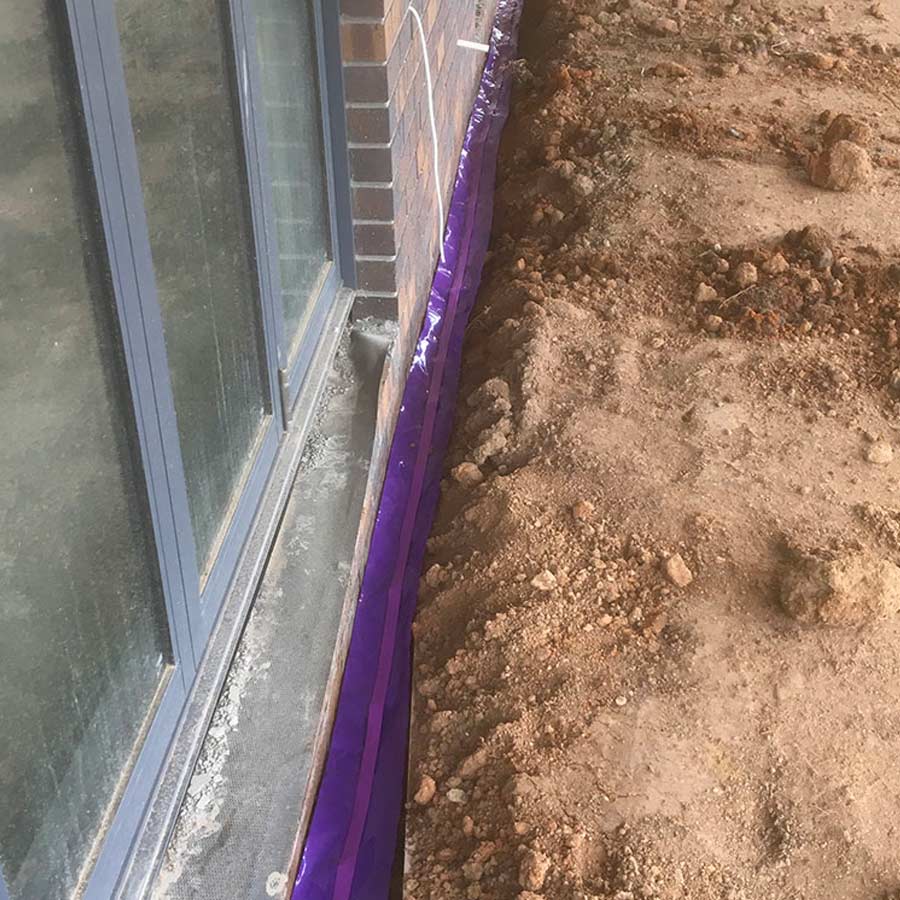
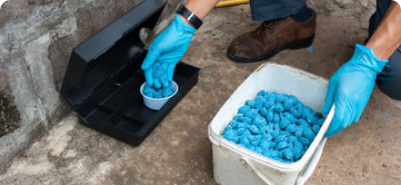
A tailored termite treatment strategy is essential to protecting your property. We provide chemical barriers, physical barriers, and baiting systems to ensure long-term protection. The Sentricon baiting system, featuring a slow-acting active ingredient, enables termites to transport it back to their colony. We also set up bait stations around your property for continuous termite pest control. For properties at high risk of termite attacks, implementing prevention strategies like sealing leaking pipes and eliminating tree stumps can significantly reduce the risks.
Baiting Systems vs. Chemical Barriers
Termite protection primarily involves two methods: baiting and chemical treatments. Baiting systems, like Sentricon, effectively eradicate colonies by targeting worker termites, which then spread the slow-acting active ingredient throughout their community. Conversely, a chemical barrier establishes a protective perimeter around the property, deterring future termite invasions. Our technicians evaluate each case to identify the most suitable termite treatment for your home.
Prevention and Long-Term Protection
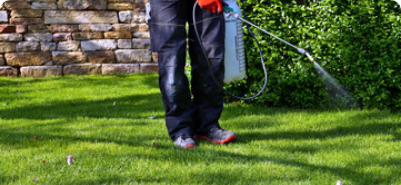
A termite control plan treats active termites and prevents reinfestation. Our services include treating soil, reinforcing barriers, and applying chemicals to deter infestations. Regular inspections ensure your property is secure. We offer trusted pest control solutions across Northern Beaches, Eastern Suburbs, and nearby areas.
Choosing the Right Termite Treatment for Your Home
Different properties require different termite treatment methods, depending on the termite species present and the extent of the infestation. Our experts will guide you through the termite control process, whether you need physical barriers for a new build, bait stations for an existing structure, or chemical barriers for long-term defence. We ensure that each treatment is tailored to deliver the best results.
Why Choose Andy’s Pest Control?
As Sydney’s termite specialists, we offer advanced white ant and termite pest control. Our licensed experts provide thorough inspection reports for transparency. Whether you need protection for concrete slabs, treatments for wood, or general pest control, we tailor our solutions to your needs. Contact us today to discuss your termite management plan and safeguard your property from future issues.